Engagement: Human rights in the supply chain. With climate and emissions reductions high on the agenda, companies in the renewable space are prospering. Unfortunately, this can have big human rights implications.
Sustainability: Emissions are rising – and will continue to rise. Globally, we will emit more this year, than last year, and more next year than this year.
The great divide. Pension scheme trustee boards and sponsoring companies will wake up on 1st January in a very different place to where they were a year ago.
We’re watching the COP 27 discussions from afar. In some respects, there were both reasons to be optimistic and pessimistic going into COP27. Here are our reflections on what has been going on.
While many pension funds have made commitments to integrate ESG issues into their scheme journey planning, we think that there is further work to do. Here we provide a comprehensive overview of everything a trustee needs to know about how to incorporate sustainability into journey planning.
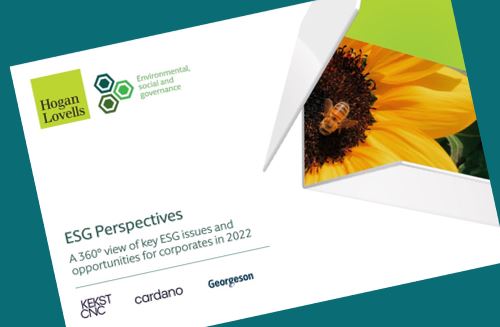
ESG Perspectives: A 360° view of key ESG issues and opportunities for corporates in 2022. What does ESG really mean for corporates in 2022? We have teamed up with leading ESG advisors at Hogan Lovells, Georgeson and Kekst CNC to draw together our insights in a guide that provides a 360° response to this question, and to help clients respond holistically to the ESG issues and opportunities they currently face.
Our model of influence comprises of three key forms of influence, based on how direct an impact these actions have. We believe investors should maximise their influence to achieve real-world sustainability impact.
The dawning of a New Year provides us with the chance to reflect on what we’ve experienced in the year just gone and what challenges and exciting opportunities lie ahead.
We have worked with leading academics to develop MACCI, a ‘first of its kind’ scenario-focused approach which breaks down the complexity of climate change to help trustees model covenant risk.
Biodiversity is important – not just for ecosystems, but for organisations, too. Sasha Scott says ‘A heterogeneous workforce with cognitive diversity boosts creativity and innovation. An inclusive corporate culture is crucially important in translating these benefits into better results.’